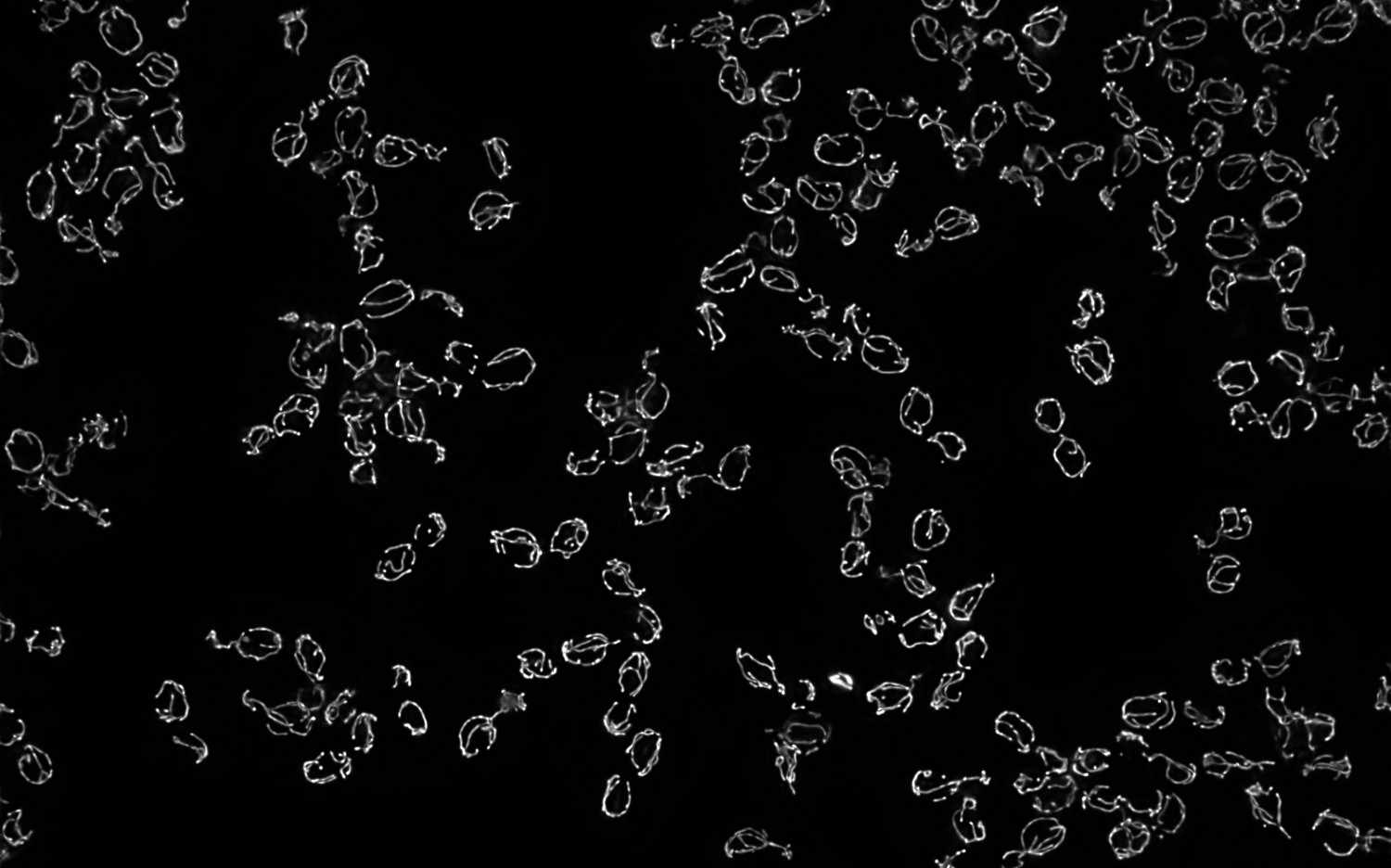

Towards a better understanding of mtDNA

— The Osman Lab —

Lab Life & Research
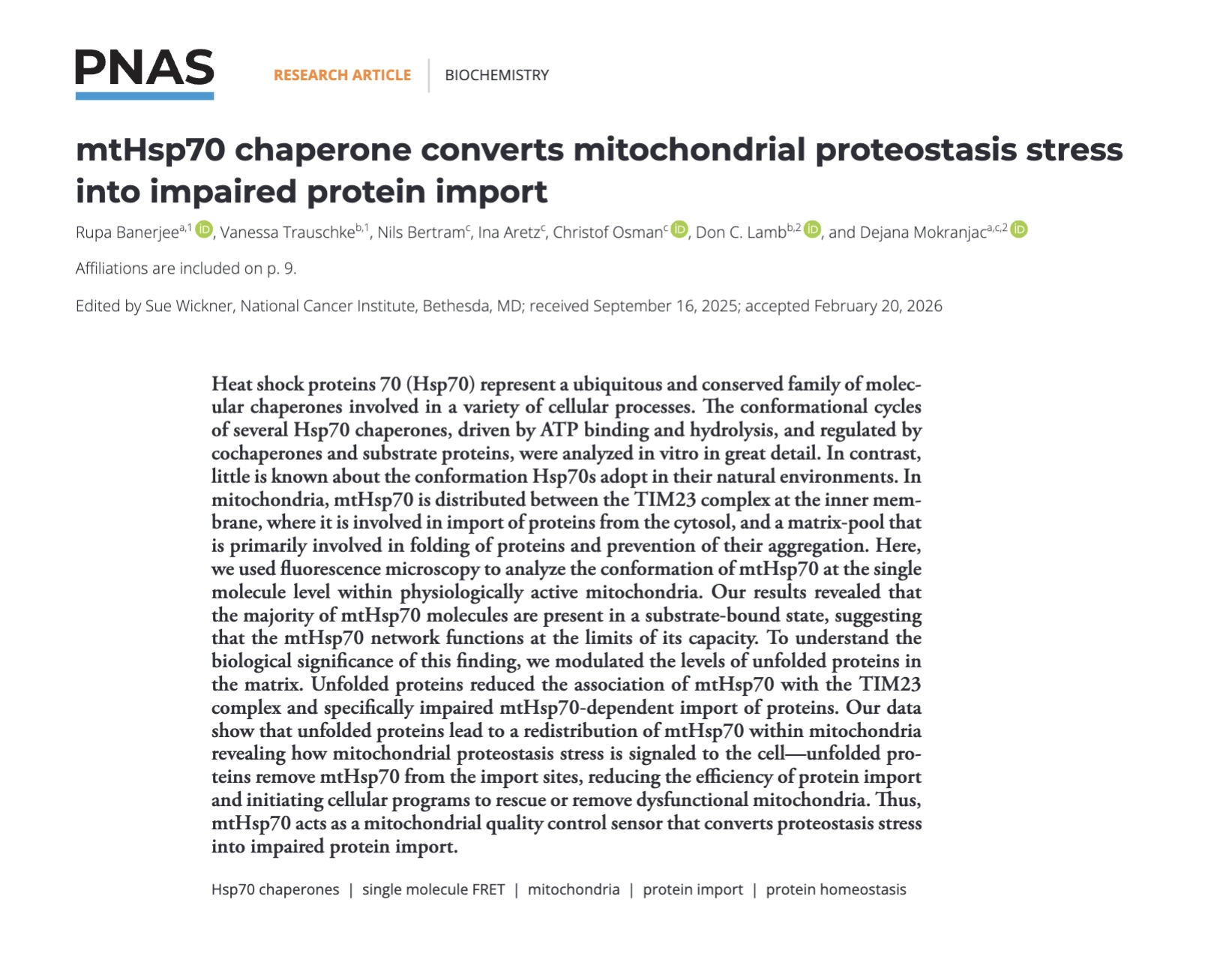
Title and abstract of the publication by the Mokranjac Lab by Banerjee et al
Publication
April 24, 2026
Big congrats to the Mokranjac Lab 🎉 on their new paper in Proceedings of the National Academy of Sciences! Fantastic work showing how mitochondrial Hsp70 (mtHsp70) senses proteostasis stress and feeds that into regulation of protein import — giving a cool mechanistic angle on how mitochondria respond to trouble 🔬🧬Happy thant Ina chipped in a tiny bit of microscopy on this one 👏
Read More →
Lab Life & Culture
April 09, 2026
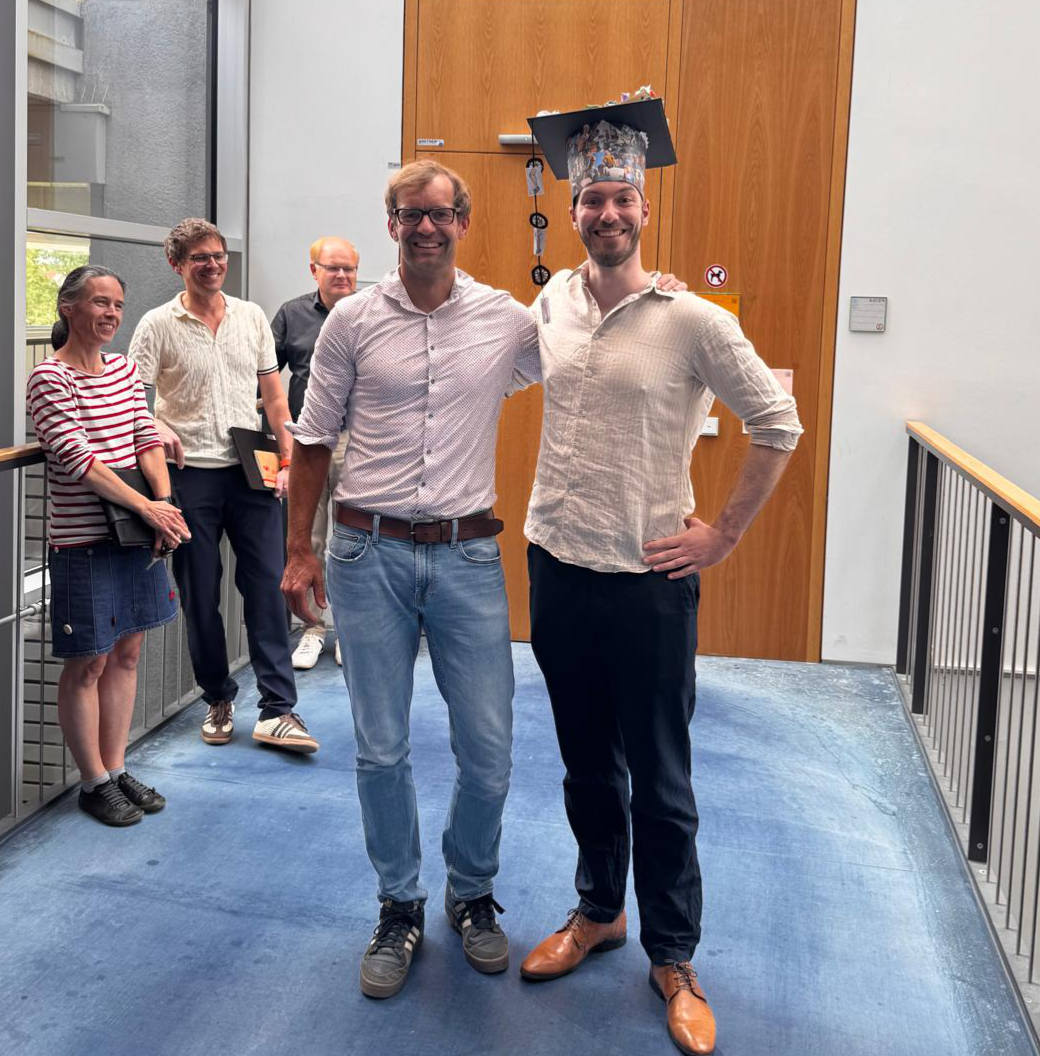
A new PhD student has just been delivered to us by the parcel service. Jakob has recently successfully completed his Master’s thesis at the University of Ulm and is now starting the next chapter of his journey in the Osman lab. A warm welcome from the whole group, we are very much looking forward to a great time with you.
Read More →
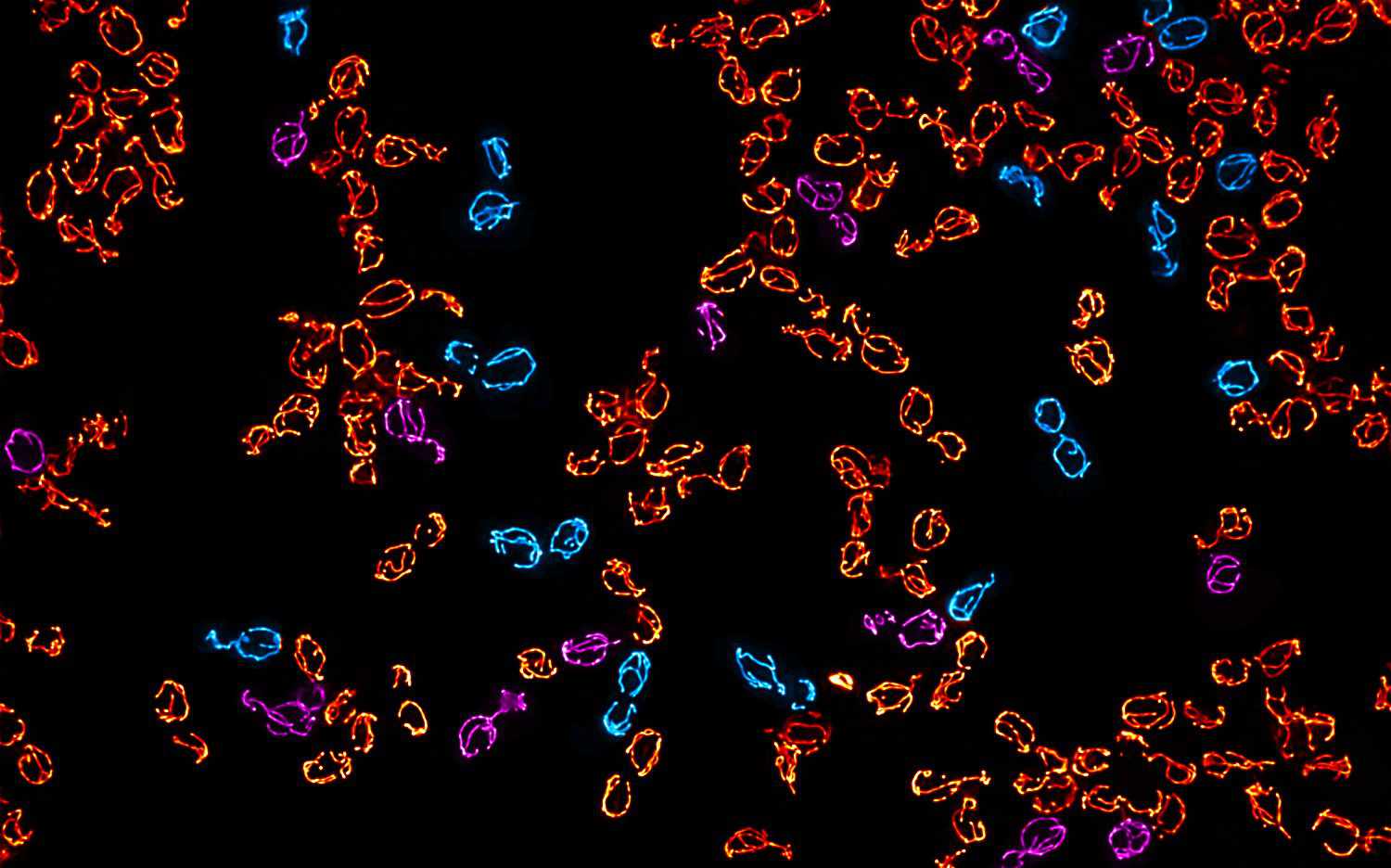
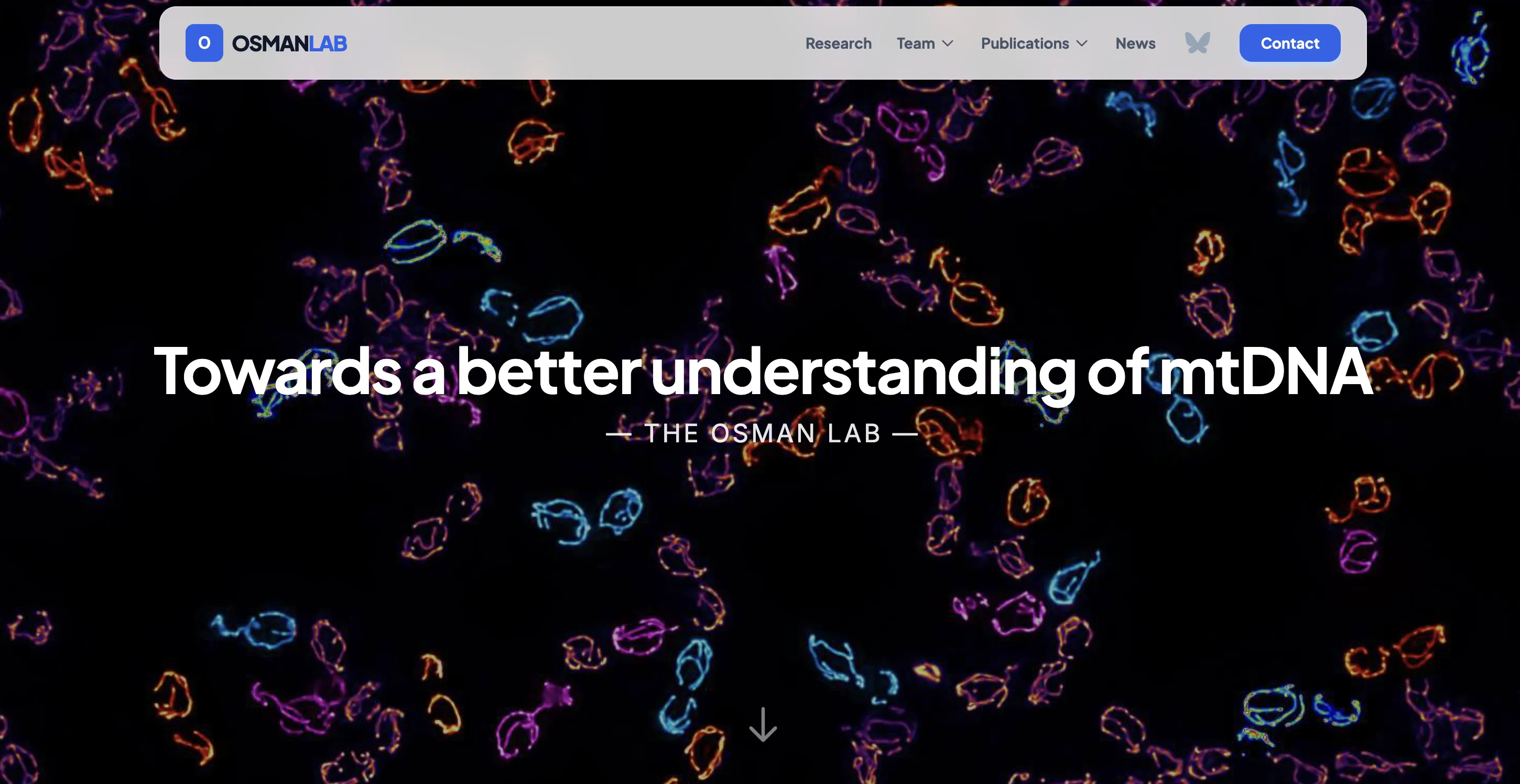
Image showing a screenshot of the new website of the Osman Lab. Showing mitochondria and mtDNA as a background image.
Lab Life & Culture
March 08, 2026
Hooray, the new Lab Wepage is online!
Read More →
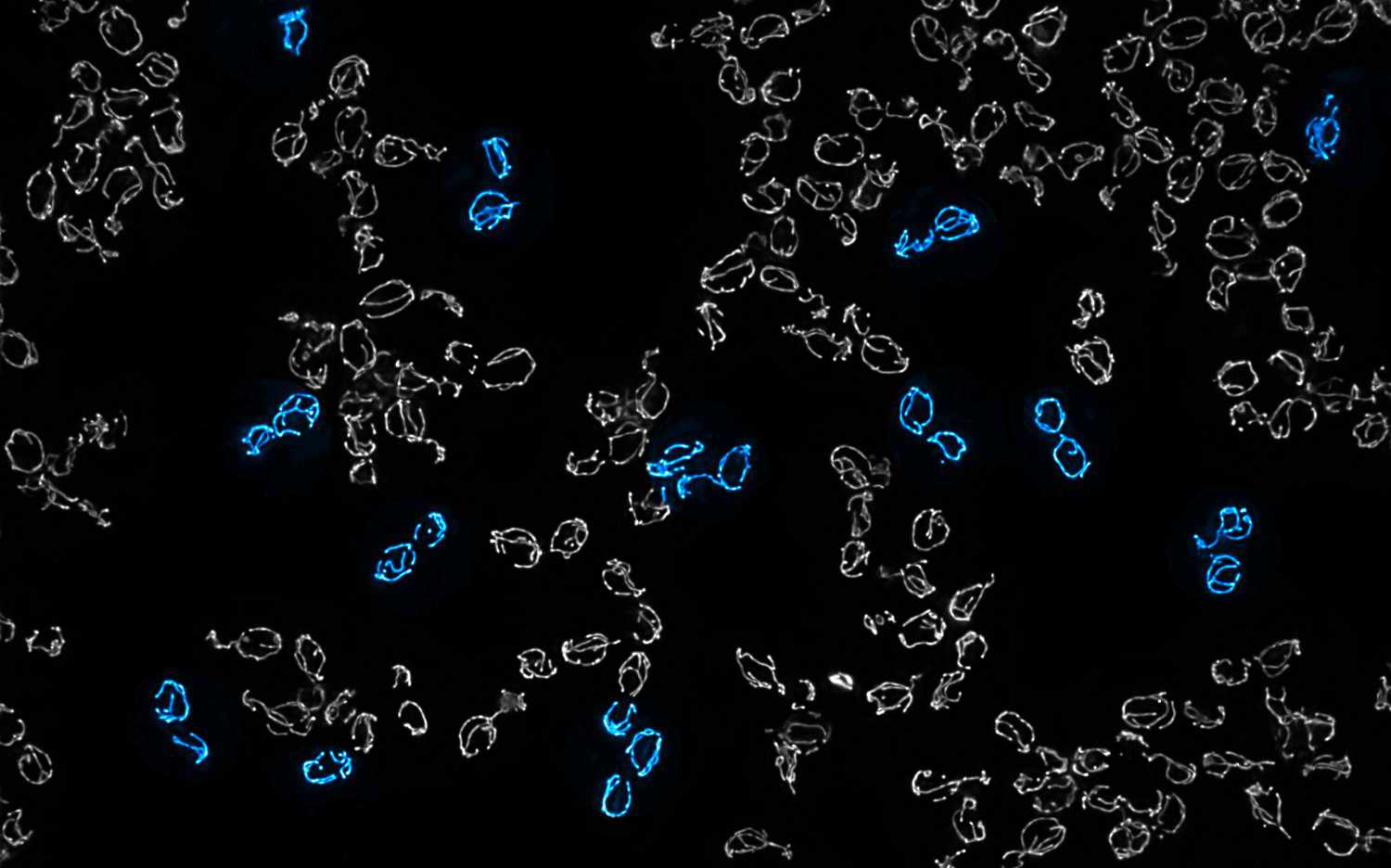
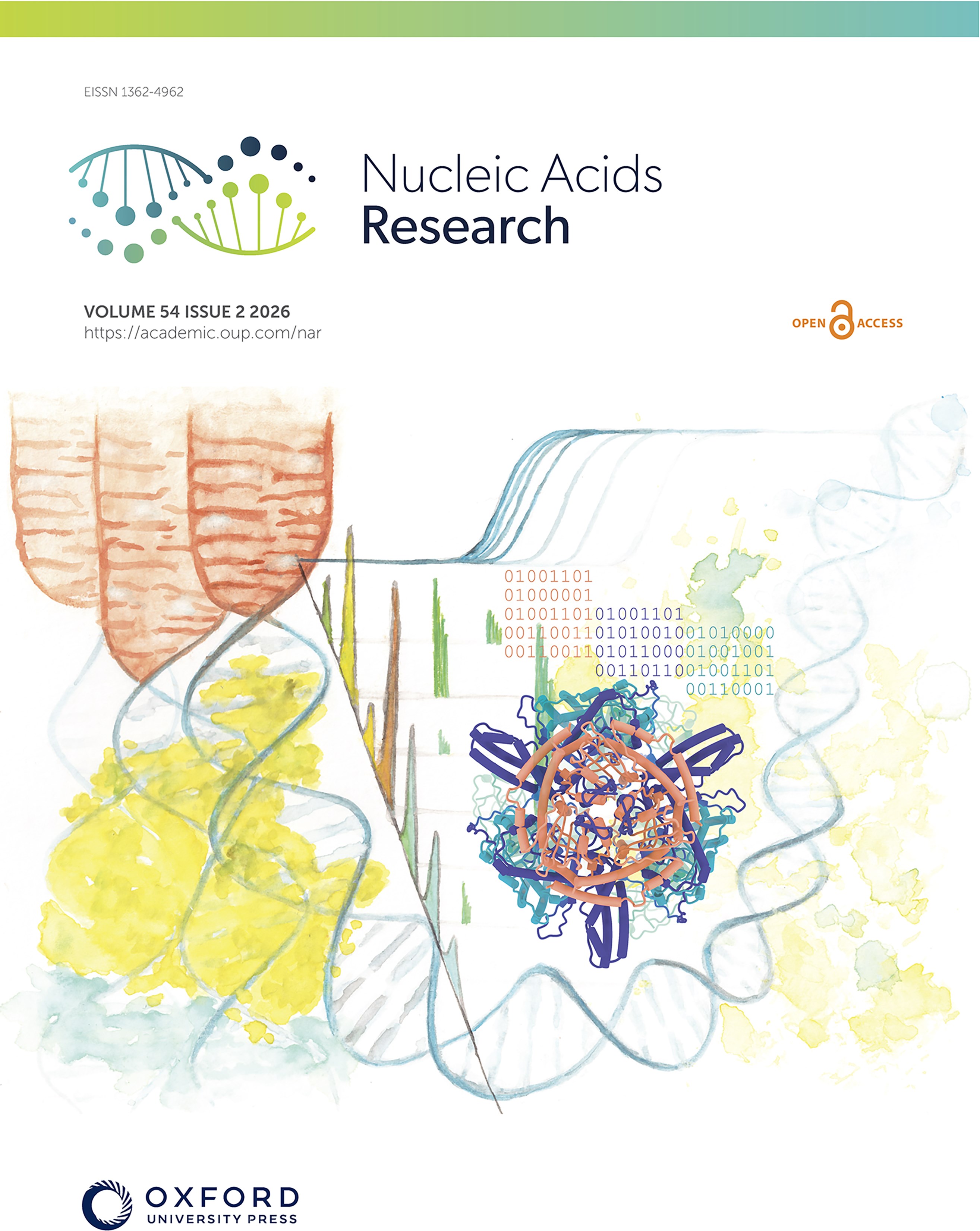
Cover image on Nucleic Acids Research created by Simon Schrott; Osman Lab
Publication
January 27, 2026
A massive congratulations to Simon, Ilaria and the entire team for their latest study published in Nucleic Acids Research (NAR)! Special congrats to Simon, whose image was chosen for the Journal Cover of the January 2026 issue. This research solves a key piece of the mtDNA puzzle: how the cell "decides" which proteins to degrade to keep its genome in balance. We discovered that Mrx6 and Mam33 form a specialized complex that "hands over" specific proteins to the Pim1 (Lon) protease.The Specificity Filter: We propose that Mrx6 binds to the N-terminal domain of Pim1, telling the protease which substrates to target.Genome Stability: Without this interaction, key proteins like the RNA polymerase Rpo41 and the HMG-box protein Cim1 accumulate, leading to abnormal mtDNA copy numbers.The Pet20 Family: This work suggests that the Pet20-domain protein family (Mrx6, Pet20, and Sue1) plays a much broader role in mitochondrial quality control than previously thought.This was a fantastic collaborative effort with Johannes Herrmann, Serena Schwenkert, and our colleagues.
Read More →
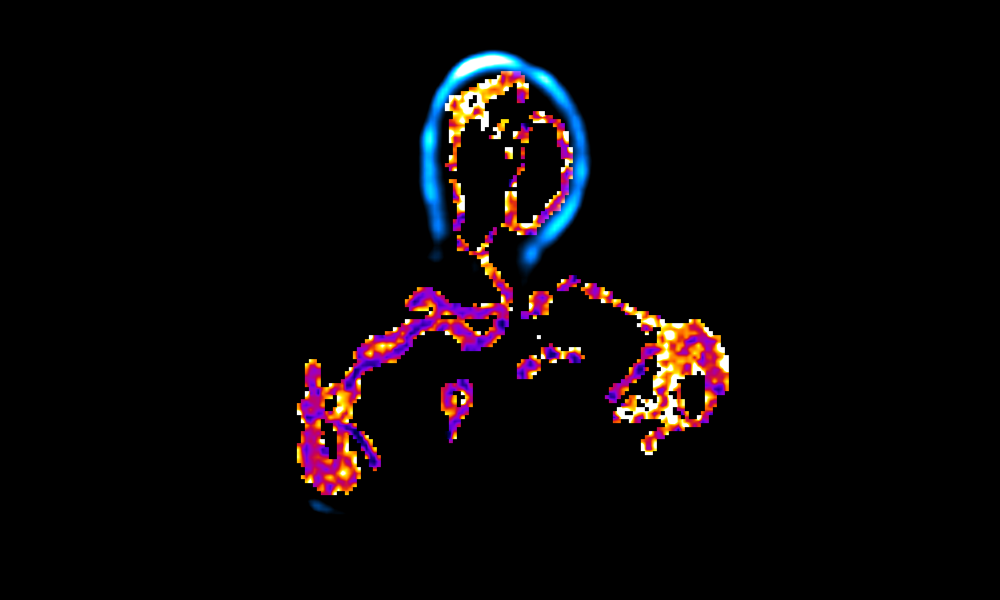
Fluorescent image of a heteroplasmic yeast zygote. Ratiometric imaging of the mitochondrial membrane potential. Image taken by Felix Thoma. Osman Lab.
Publication
January 09, 2026
We are excited to share our latest research led by Felix Thoma and Johannes Hagen. The study reveals how S. cerevisiae performs intracellular selection to maintain mitochondrial genome integrity. By developing a high-throughput flow cytometry assay, we discovered that cells detect local "bioenergetic gradients"—small differences in ATP and membrane potential—to selectively preserve functional mtDNA. A huge thank you to our collaborators Kurt Schmoller and Francesco Padovani for their invaluable contributions to this work!
Read More →
Cover image on The EMBO Journal showing a fluorescent microscopy image of mitochondria in S. cerevisiae. Image taken by Rodaria Roussou, Osman Lab
Publication
August 05, 2024
We are thrilled to announce that Ria's latest research has been featured on the cover of The EMBO Journal! How do mitochondrial DNA variants (heteroplasmy) change over time? In this study, we combined mtDNA-based fluorescent markers, microfluidics, and mathematical modeling to track mtDNA segregation in live yeast cells for the first time. We discovered that asymmetric partitioning during division and specific mitochondrial fusion/fission frequencies are the key drivers behind how these variants segregate.This high-resolution, single-cell approach opens new doors for understanding how cells "purify" their mitochondrial genomes. A gret collaboration with the Schmoller lab!!
Read More →

Intelligence Deep Dive
April 2026 Edition mtDNA Literature Briefing 2026-04-23
#mtDNA intel: • DHCR24 deficiency triggers cytosolic mtDNA-mediated cGAS-STING activation. • PolRMT and TFAM structural interactions define mitochondrial transcription regulation. • SLC25A48 promotes colorectal cancer growth via respiration and ferroptosis resistance. 🧬🔬 #MitoSci #CellBio
Scientific Focus

Research Pillars

01

"How are mitochondrial genomes spatially organized within the mitochondrial network and faithfully inherited during cell division?"

Mitochondrial DNA molecules are packaged into nucleoprotein structures called nucleoids and distributed throughout the dynamic mitochondrial network. The spatial organization of these nucleoids influences genome …
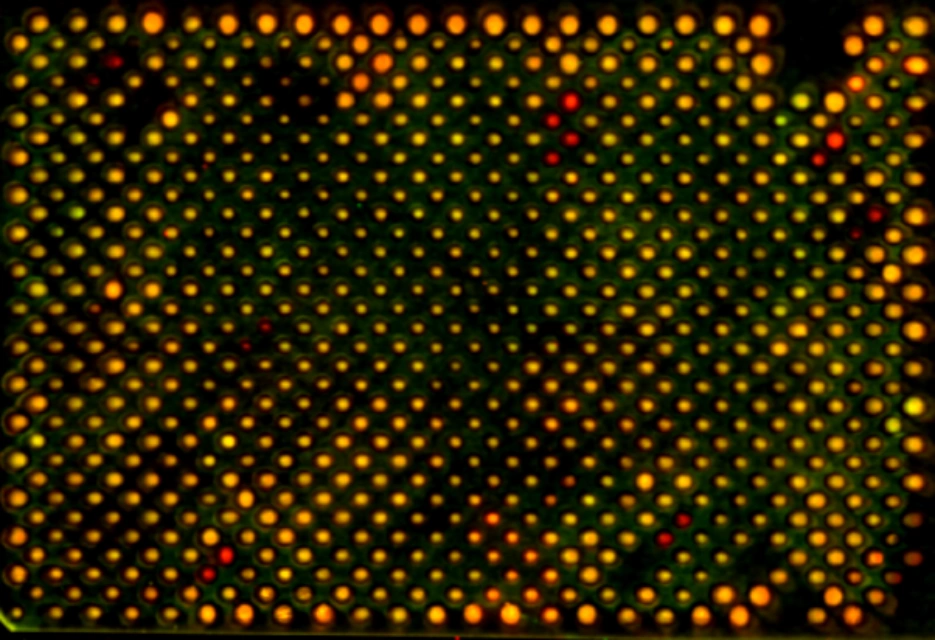
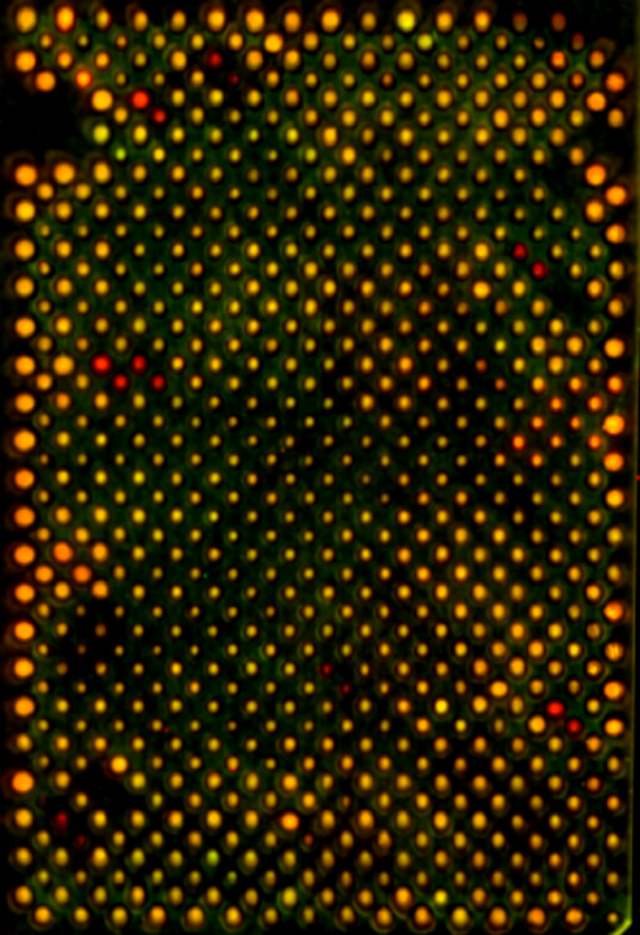
Image showing the result of a colony blot from a screen in S. cerevisiae for a screen for mutants involved in mtDNA copy number regulation. Image taken by Aylin Göke
02

"How is the number of mitochondrial DNA molecules controlled and coordinated with cellular growth and metabolic demand?"

Each cell contains multiple copies of mitochondrial DNA, and maintaining the correct number of genomes is essential for proper mitochondrial function. Too few copies can …
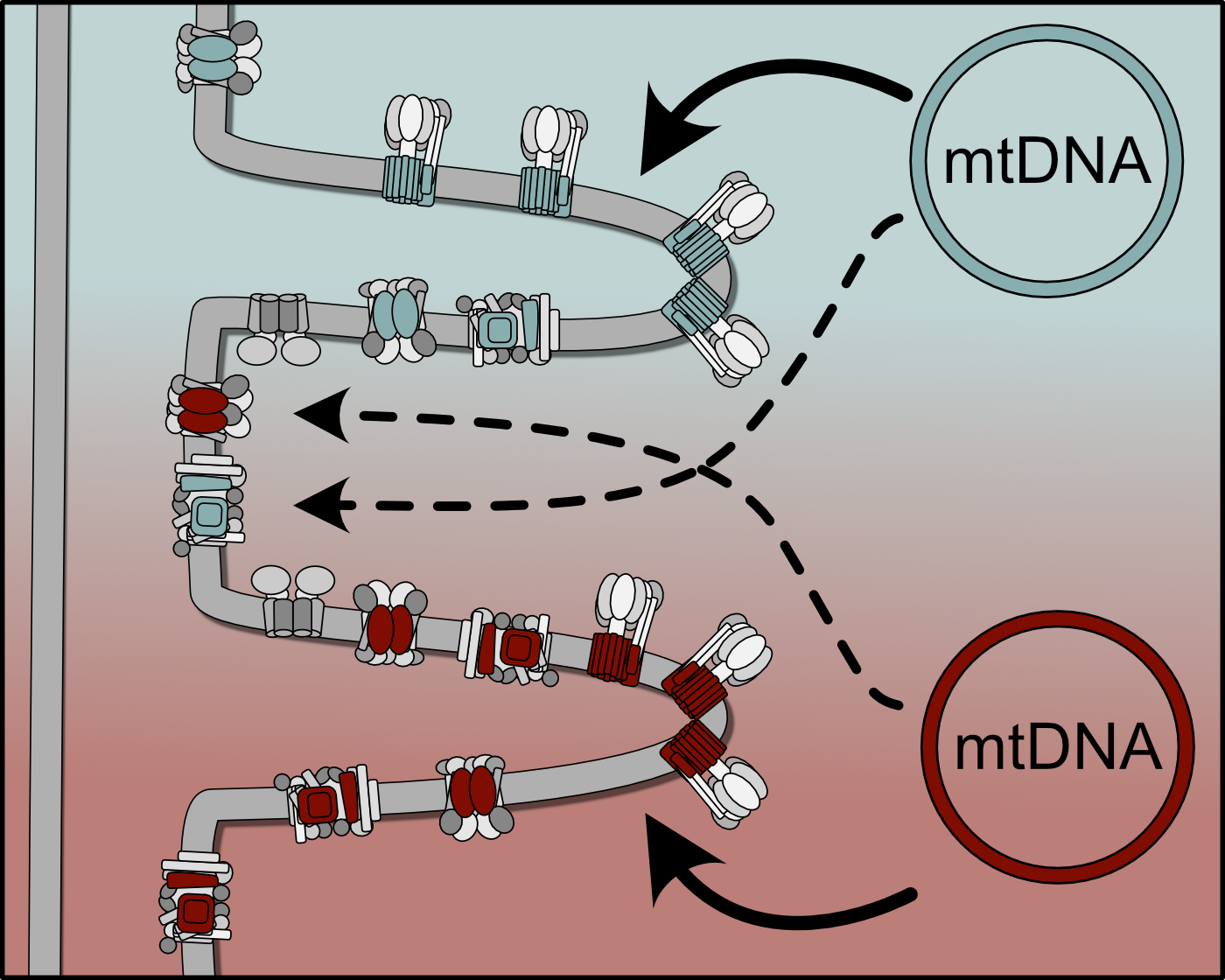
Image showing a schematic of the sphere of influence model of mtDNA quality control. Osman Lab.
03

"How do cells detect and selectively eliminate defective mitochondrial genomes while preserving functional mtDNA?"

Mitochondrial DNA (mtDNA) is continuously exposed to damage and mutations due to its proximity to reactive metabolic processes. The accumulation of dysfunctional mtDNA molecules can …

Research Environment

The Osman Lab investigates mitochondrial genome maintenance in S. cerevisiae.

Principal Investigator

View Research Profile

Technician

View Research Profile

PhD student

View Research Profile

PhD student

View Research Profile

PhD student

View Research Profile

PhD student

View Research Profile

PhD student

View Research Profile

Bachelor student

View Research Profile

Research Intern

View Research Profile
Research Repository

Audio summaries are generated by NotebookLM. Please consult the primary literature for final accuracy.

Nucleic Acids Res. 2026

Mrx6 binds the Lon protease Pim1 N-terminal domain to confer selective substrate specificity and regulate mtDNA copy number

Schrott, S., Marafelli, I., Gerle, C., Bibinger, S., Bertgen, L., Marino, G., Schwenkert, S., Rathberger, R., Herrmann, J., Osman, C.#

Audio Insights
PLoS Genet. 2026

Local mitochondrial physiology defined by mtDNA quality guides purifying selection

Thoma, F., Hagen, J., Rathberger, R., Padovani, F., Hörl, D., Schmoller, K., Osman, C.#

Audio Insights
EMBO J. 2024

Real-time assessment of mitochondrial DNA heteroplasmy dynamics at the single-cell level

Roussou, R., Metzler, D., Padovani, F., Thoma, F., Schwarz, R., Shraiman, B., Schmoller, K., Osman, C.#

Audio Insights
Sci. Adv. 2021

Cristae-dependent quality control of the mitochondrial genome

Jakubke, C.*, Roussou, R.*, Maiser, A., Schug, C., Thoma, F., Bunk, R., Hörl, D., Leonhardt, H., Walter, P., Klecker, T., Osman, C.#
Audio Insights
Mol. Biol. Cell 2020

Mrx6 regulates mitochondrial DNA copy number in Saccharomyces cerevisiae by engaging the evolutionarily conserved Lon protease Pim1

Göke, A., Schrott, S., Mizrak, A., Belyy, V., Osman, C.#, Walter, P.#

Audio Insights
Audio Insights
Explore Full Research Archive

Connect with the Lab

We are always enthusiastic about new collaborations and scientific exchange. While we may not always have funded vacancies, we are always interested in prospective postdocs and fellows who wish to apply for their own external funding. We are happy to discuss the possibility of hosting and supporting your fellowship application.

LMU Biozentrum Campus

Location

Osman Lab LMU München, Biozentrum
Groβhaderner Str. 2
82152 Planegg-Martinsried

Direct Contact

osman@bio.lmu.de